
Role
Product Designer – Themes & Templates, Website Builder Onboarding
Team
3 Product Designers, 4 Product Managers, 2 Architects
Timeline
Command (React), Consumer (Javascript CMS & Flutter), Consumer App (Flutter)
Timeline
Q4 2025 through Q2 2026
Framing the Opportunity
Our immediate goal was to enable real estate agents to create marketable agent websites in one click. At the same time, we aimed to address design system inconsistencies that had accumulated over the platform.
After running interviews with solo agents, agents on a team, and luxury agents, we learned that the table stakes for a "marketable” agent website was to generate leads, represent the brand of the agent, and take into account teams and solo agents. Beyond table stakes, agents needed to be able to spend as little time as possible on their websites – most of their time was spent building relationships out in the field – while being able to customize their website as they see fit.
Technical Constraints
An early challenge was a lack of shared language between design, product, and engineering.
I worked with engineers to understand the trade-offs of working with two different platforms to support the agent website ecosystem – Flutter and Javascript CMS. Flutter had the benefits of being flexible for app applications, so feature-heavy experiences like search and favoriting properties were built with Flutter. On the other hand, the CMS presented better SEO features and customizability, so pages that agents would want more control over were created in the CMS.
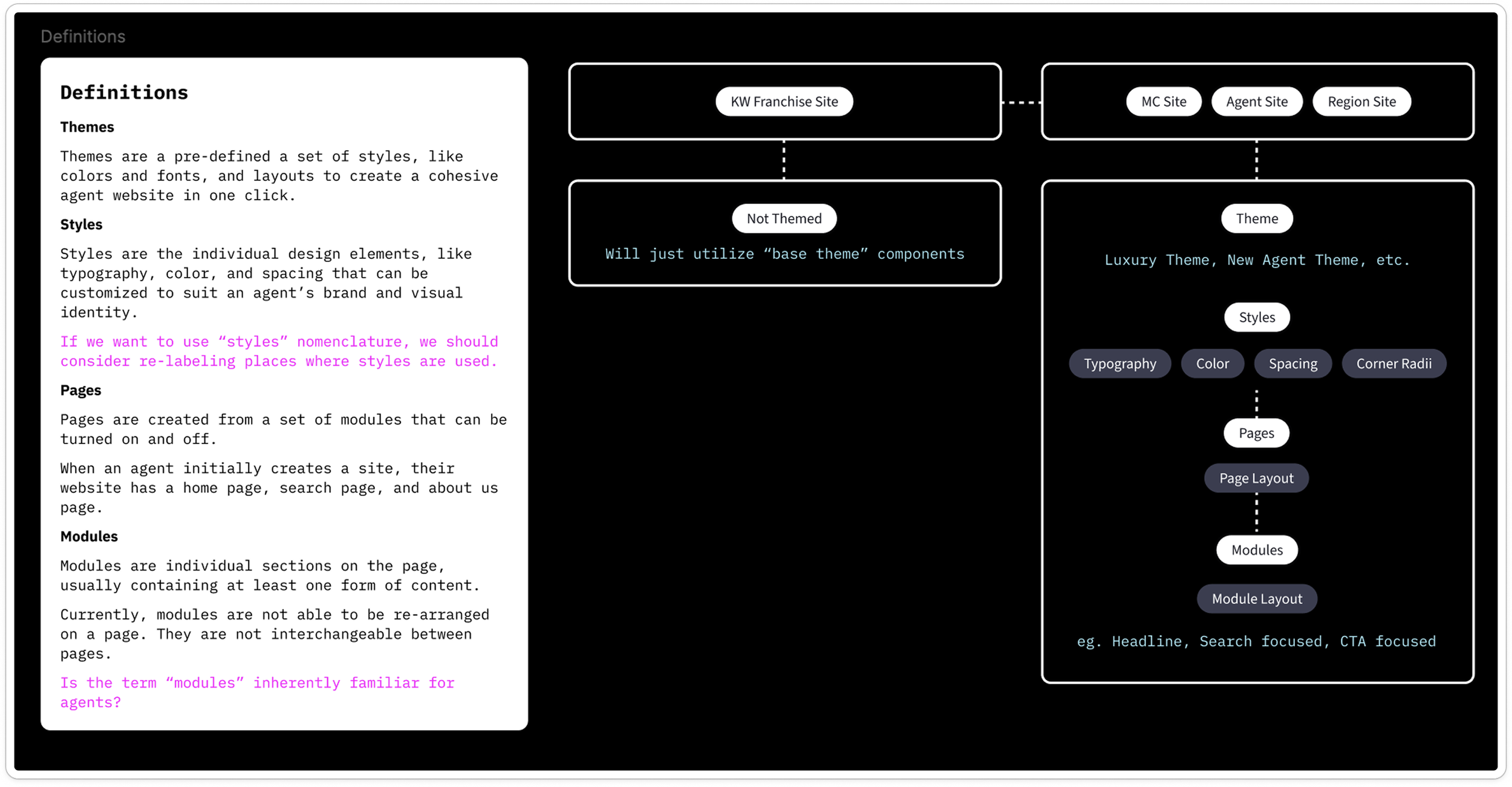
In both cases, our design library had to work interchangeably for both Flutter and the CMS to give a seamless, consistent experience to end users. To address this, I drafted a framework for how variables might translate visually into pages, sections, and components while another designer began to build out the variables and components we needed for our design system.
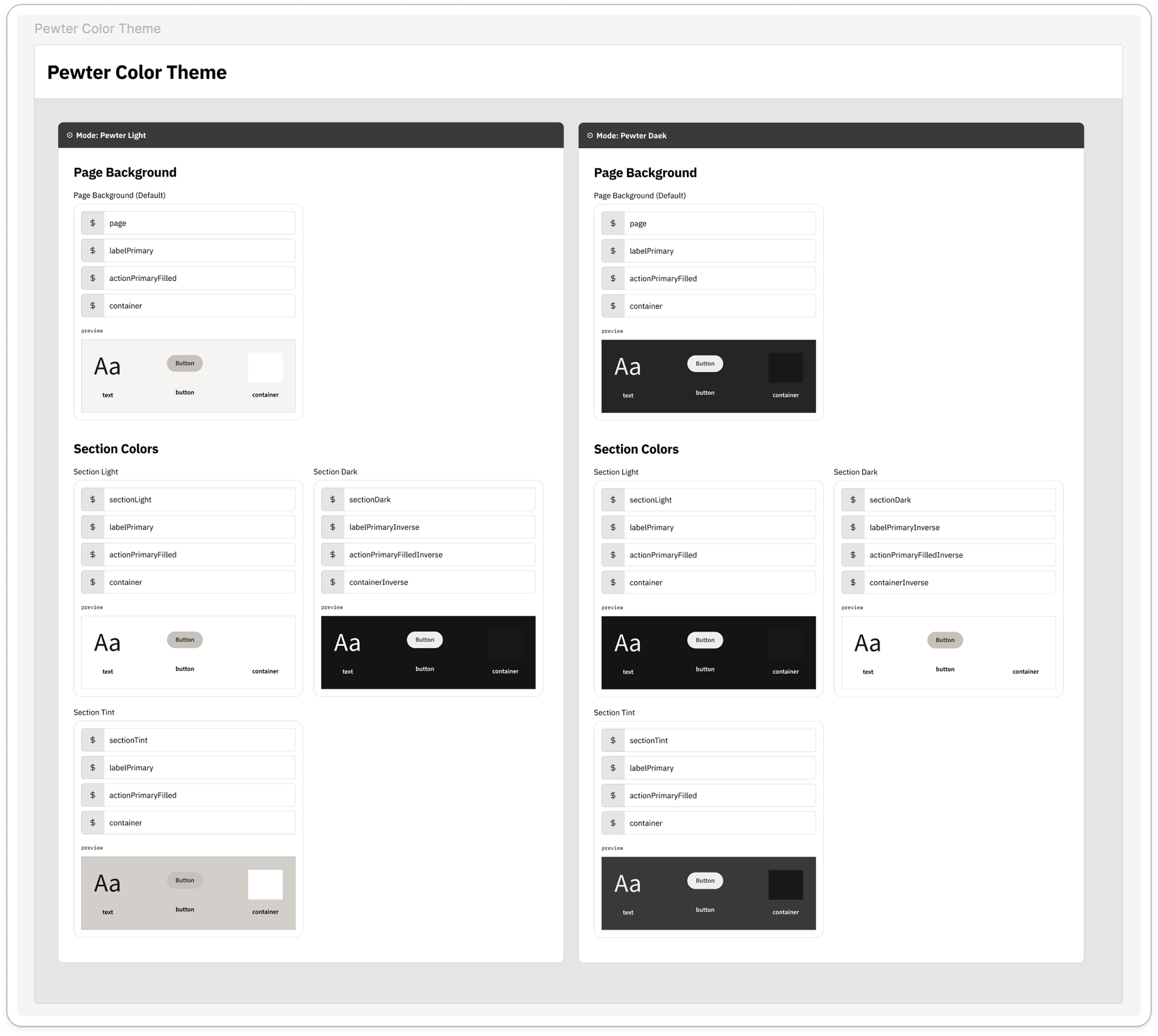
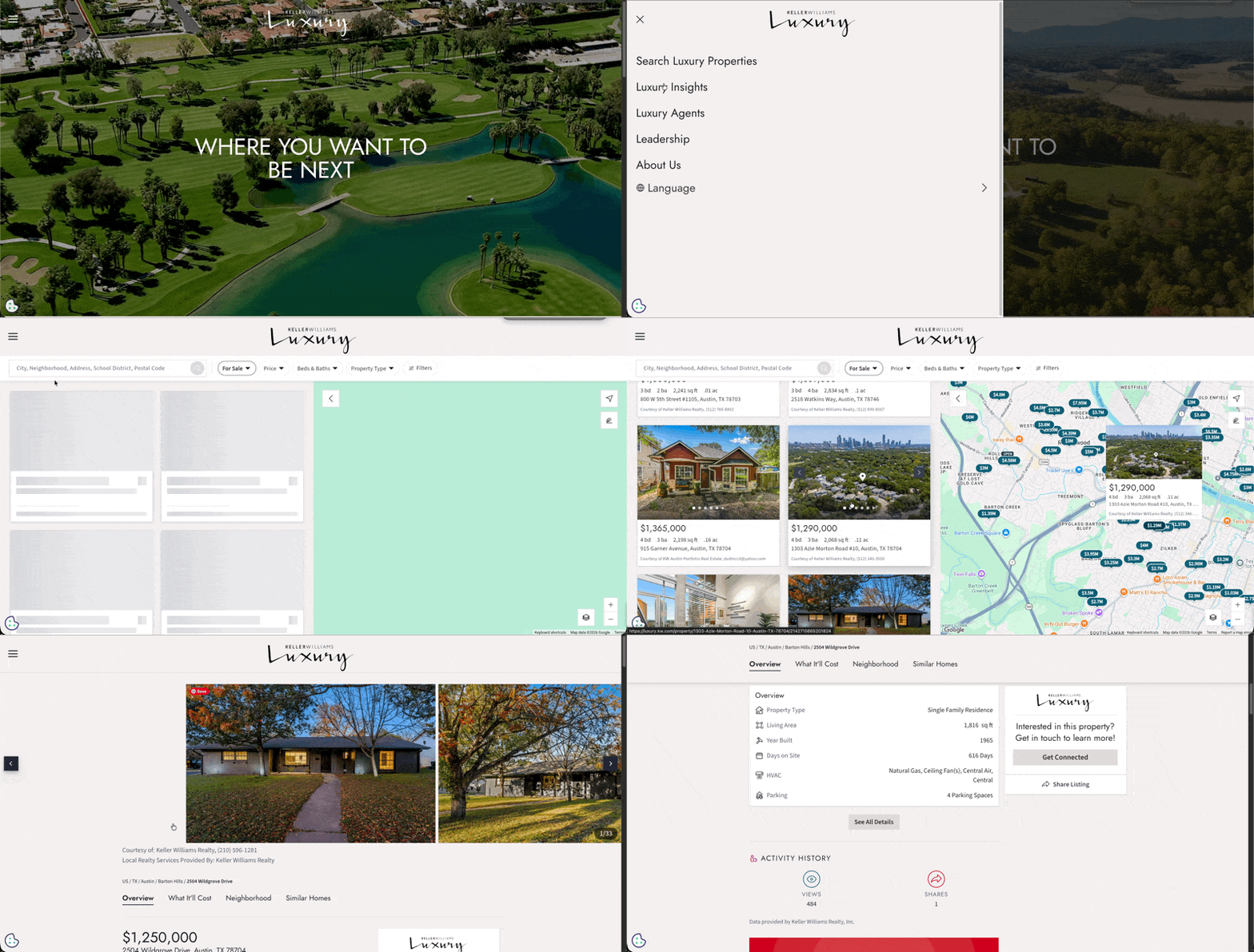
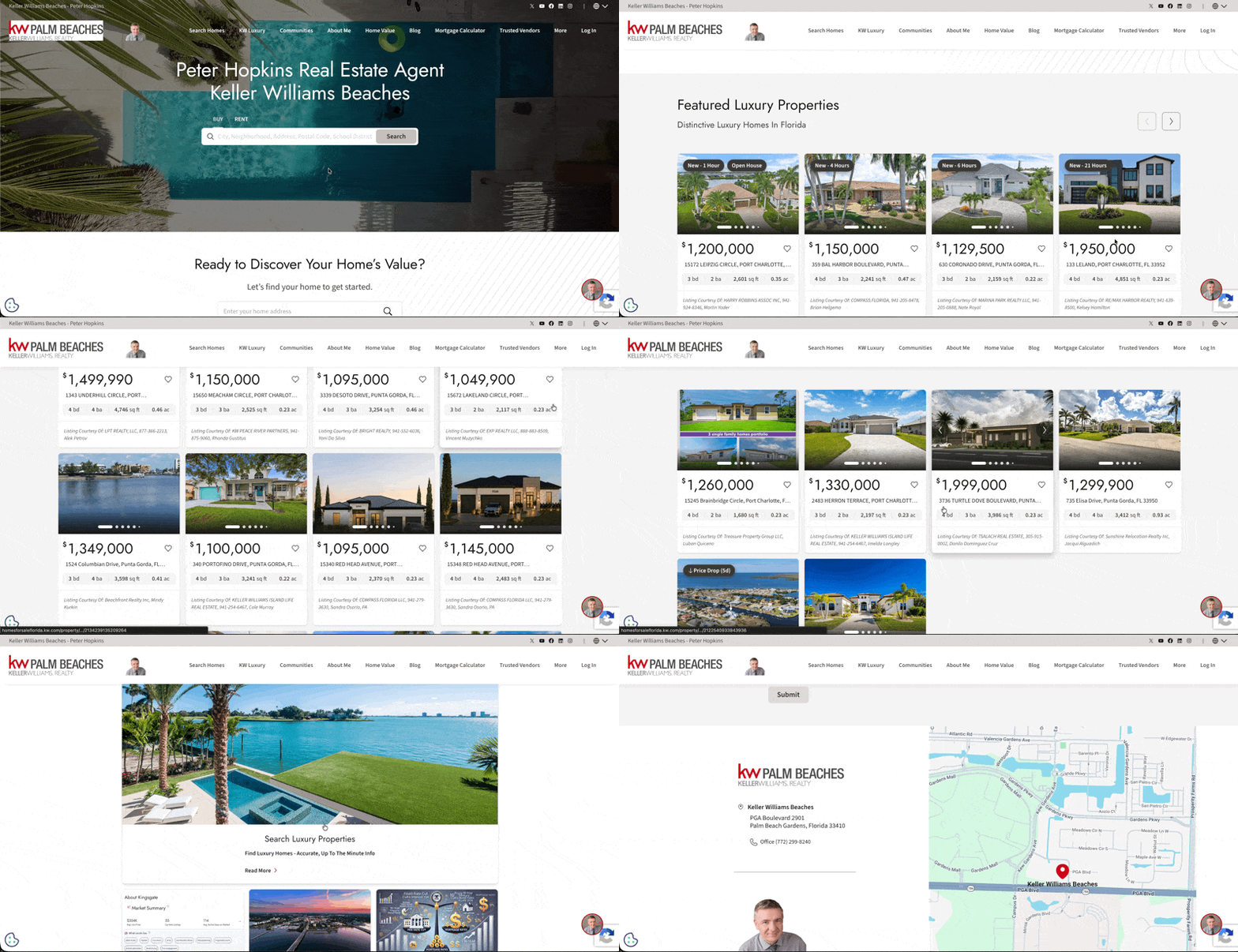
In this case, a consumer has navigated from the home page (CMS) to property search (Flutter) and to property details (CMS), consistently themed and seamlessly powered by variables to create a cohesive visual language.
Designing for Scale
Our next driving question became “How might we differentiate over 100K agent websites given our available time and resources?” If we gave agents too much customizability, that means more maintenance for the tech teams or significant brand drift. On the other hand, tightly locking down customization inevitably leads to impersonal agent sites.
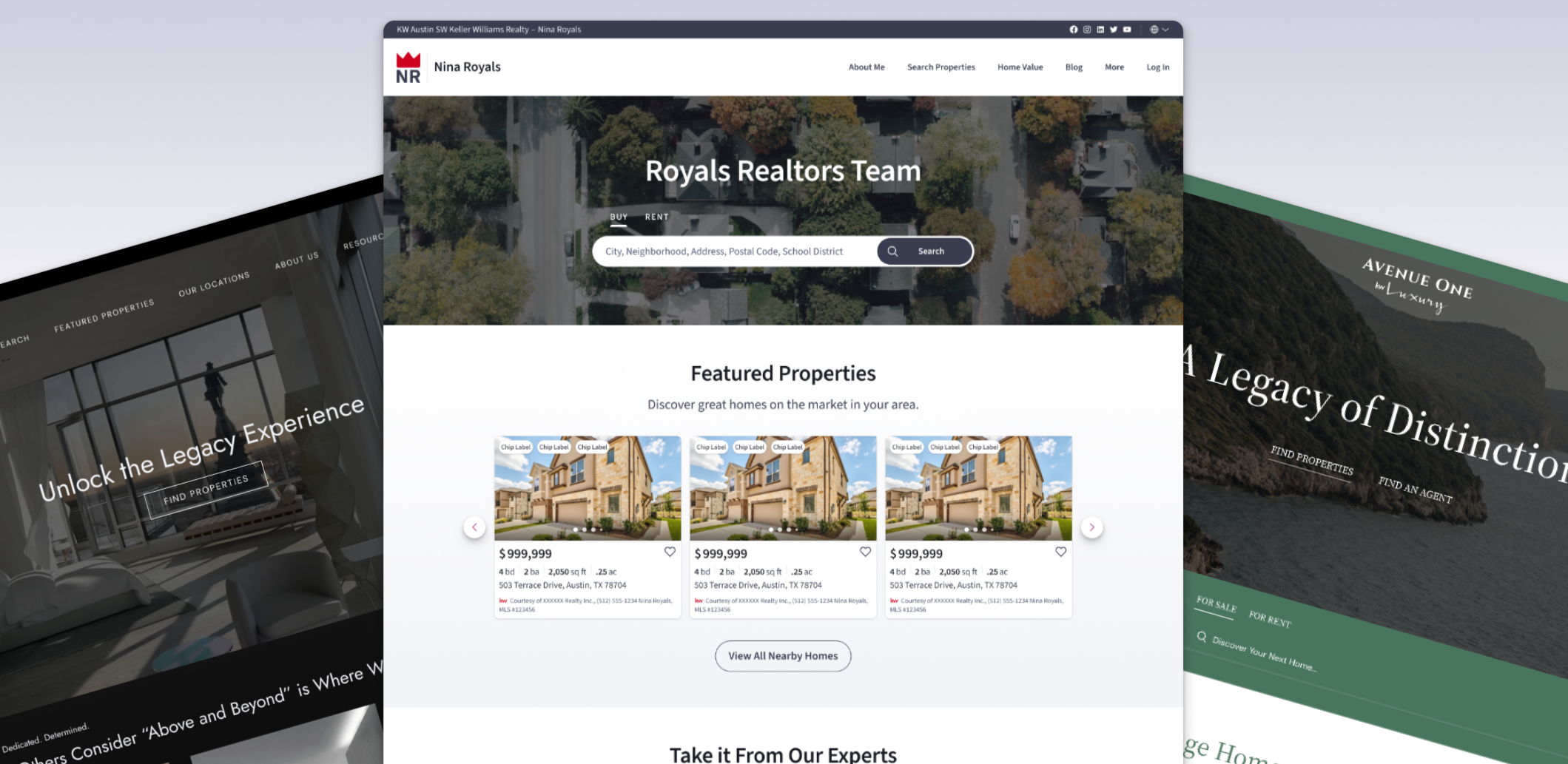
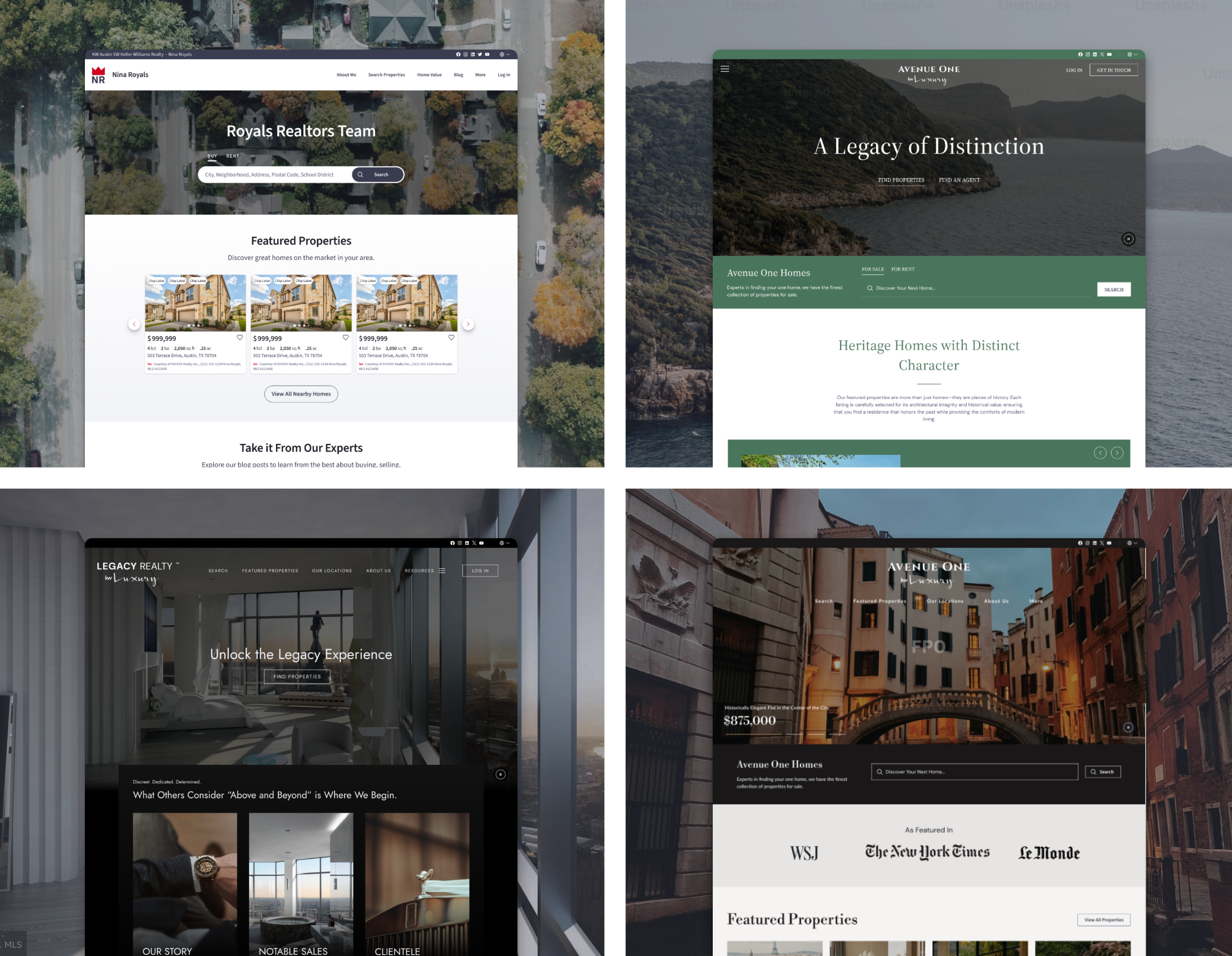
To identify the right balance between flexibility and control, I designed five website concepts exploring different levels of personalization and brand expression. These concepts helped us evaluate how agents could create distinct experiences while still operating within a scalable system.
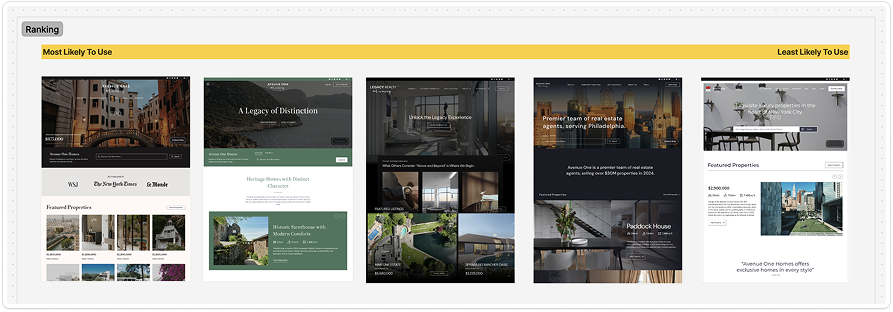
I tested these concepts with real agents, gathering feedback on what resonated and asking participants to rank which experiences they would be most and least likely to use. The results revealed clear preferences, helping us refine our direction around three core themes: a refreshed Classic experience, and two new Modern and Heritage directions.
The Customization Structure
With three validated directions, I introduced personalization in a more intentional way. Agents could select a theme to instantly transform the visual layer of their website, while page layouts focused on structuring content and lead-generation opportunities. Templates combined these elements into a streamlined, one-click website creation experience. Due to resource constraints, we intentionally prioritized pages like the home page, agent about page, and property landing pages, while defaulting to Classic themes for feature-rich pages.
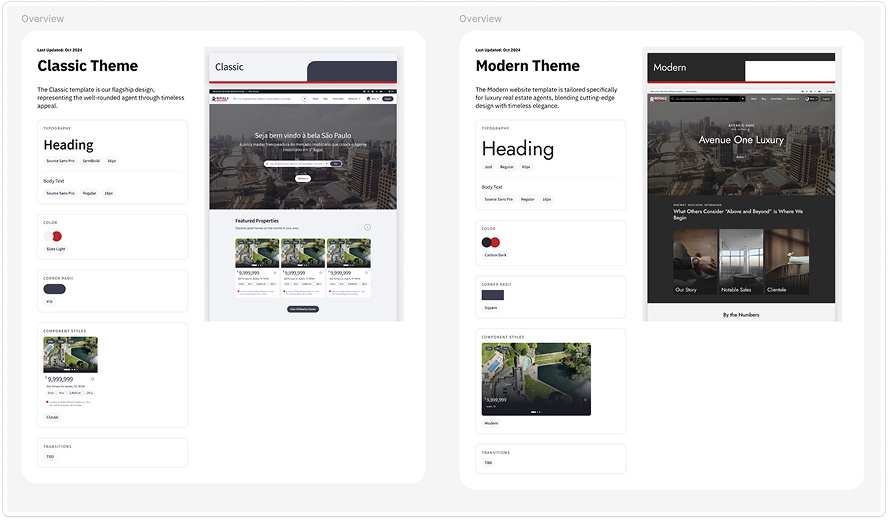
Agents could customize curated design tokens, including color themes, typography, and corner styles, while core components, animations, and accessibility standards remained system-controlled. This approach created meaningful differentiation without sacrificing scalability, consistency, or usability across thousands of agent websites.
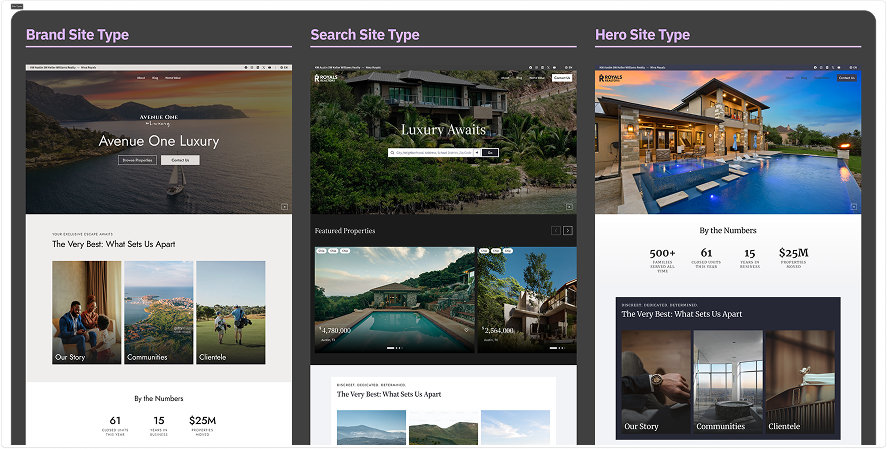
Beyond the visual branding, agents could customize page layouts and sections, using different storytelling techniques based on their unique approach.
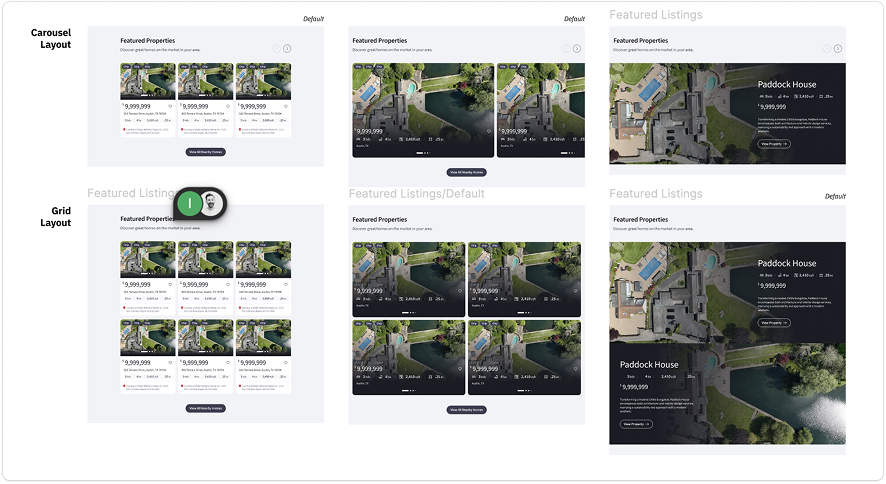
Some high-impact components, like property cards, were reimagined in multiple styles and layouts to create additional opportunities for differentiation. Visual tokens like color, typography, and corner styles provided lightweight personalization, but varying key components allowed agents to create more distinct experiences at scale.
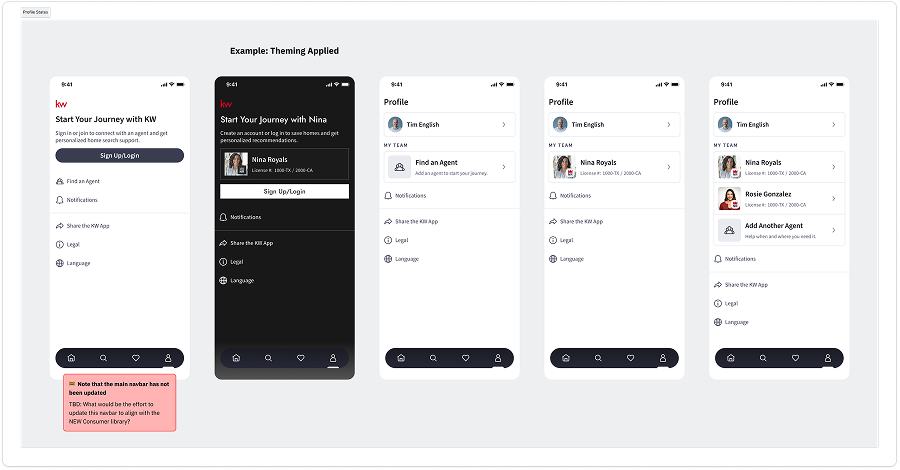
The personalization strategy extended beyond websites. I considered the broader KW ecosystem, including the agent app, to explore how a consistent and customizable experience could scale across touchpoints. While app theming was ultimately deprioritized, the foundational variables and design decisions created a flexible framework that could be easily extended.
Personalizing Websites for 100K+ Keller Williams Agents
Adoption
34K+
Personalized Websites within 1-Mo Post-Launch
Scalability
225+
Unique Brand Expressions from One Design System
Leads
8
Quality Leads Per Agent (Per Month)
With over 163,000 real estate agents across 60 countries and 25 languages, Keller Williams saw an opportunity to strengthen its platform ecosystem by reimagining agent websites as a strategic entry point into its CRM ecosystem.
For years, agents had near-identical websites with limited ability to build personal brands and generate leads. With a new CMS platform implementation on the horizon, the core challenge was to balance scalable brand consistency with agent website customization, empowering agents to create premium, professional, and, most importantly, personalized websites.
I worked with a team of four designers to define a scalable personalization system. I owned the vision for themes and templates and later, led adoption through onboarding, while my teammates focused on the initial design system buildout and the new website builder.
Protecting the Vision
As delivery pressures increased, the risk of de-scoping to generic, undifferentiated websites grew. After raising the flag with the team, we built a case for a more versatile system with minimal additional engineering effort, securing executive buy-in.
As a result, thousands of lifeless real estate agent websites were transformed into professional brands practically overnight. Over 34,000 agent sites were customized in the first month post-launch, and we even built upon these foundations to launch a premium website for the KW Luxury division.
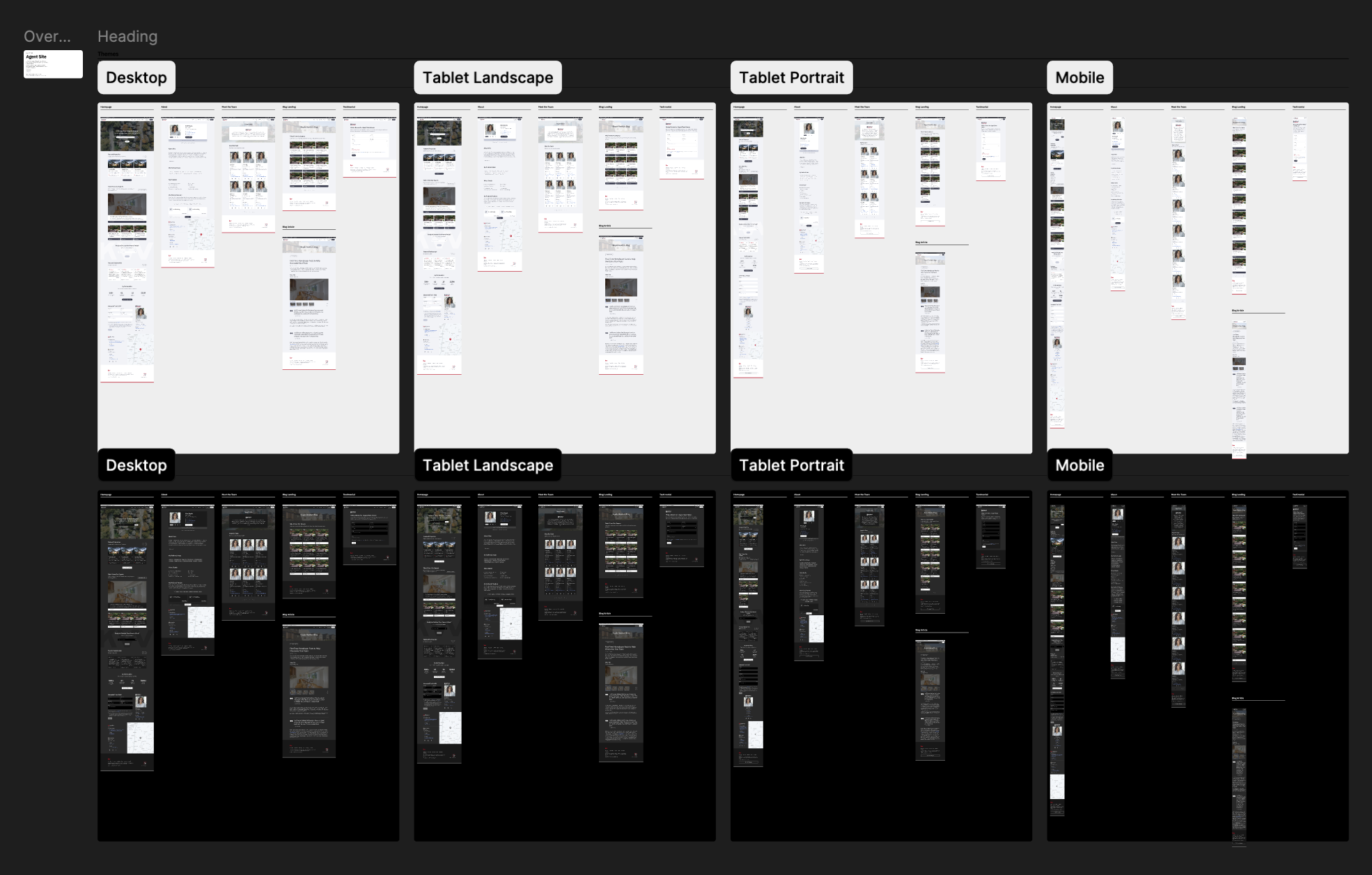
To ensure the personalization system could scale beyond design, I supported the product, design and engineering teams in define implementation guidelines, clarify design decisions, and establish a shared understanding of how themes, components, and templates would work together. This helped create a foundation that could be maintained and expanded as the platform evolved.